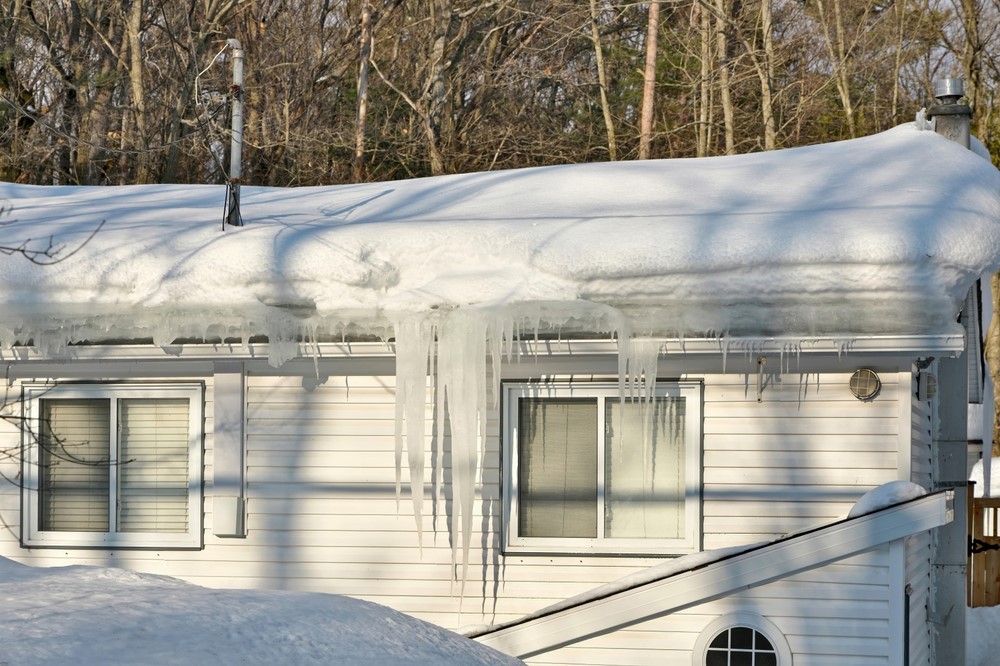
How do I prevent ice dams? The answer starts in your attic. Proper roof ventilation in Indiana homes, combined with strong insulation and air sealing, is the key to stopping ice dams before they form. When insulation and roof performance work together, your roof stays colder, snow melts evenly, and dangerous ice buildup is reduced.
At Rees Restoration, we see many Central Indiana homeowners struggle with winter roof problems that could have been prevented. Ice dams, attic moisture, and uneven snow melt often point to ventilation and insulation issues. Understanding how these systems work together helps protect your home long term.
What Causes Ice Dams in Central Indiana?
Ice dams form when heat escapes from your home into the attic. That heat warms the roof deck, causing snow to melt. The melted snow flows downward and refreezes at the colder roof edge, creating a thick ridge of ice.
Once that ridge forms, additional melting snow backs up behind it. Water can then seep under shingles and into your home.
In Central Indiana, fluctuating winter temperatures make ice dams especially common. Poor roof ventilation in Indiana homes and inadequate attic insulation are usually the root causes.
5-Step Plan for Ice Dam Prevention
If you are wondering how to stop ice dams, here is a simple five-step plan that focuses on insulation and roof performance:
Improve attic insulation to reduce heat loss from living spaces.
Seal attic air leaks around vents, wiring, and light fixtures.
Ensure balanced roof ventilation in Indiana homes with proper intake and exhaust airflow.
Keep gutters clean to allow melting snow to drain properly.
Schedule a professional roof inspection to evaluate ventilation design and roof condition.
These ice dam prevention tips help maintain a consistent roof temperature, which is critical during Indiana winters.
Why Roof Ventilation in Indiana Matters
Proper roof ventilation in Indiana does more than prevent ice dams. It regulates attic temperature year round.
In winter, ventilation allows cold air to circulate through the attic, keeping the roof deck temperature closer to the outdoor temperature. This reduces uneven snow melt.
In summer, ventilation helps release trapped heat, which protects shingles and improves overall insulation and roof performance.
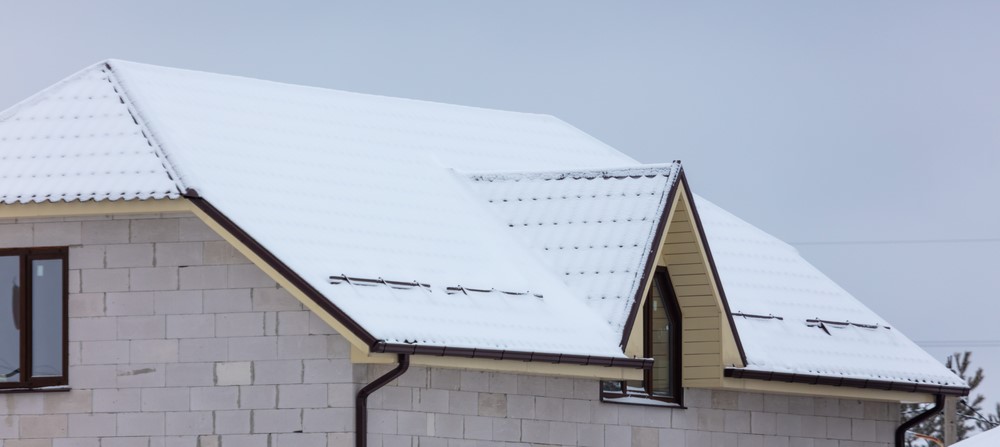
A balanced system typically includes soffit vents for intake and ridge or roof vents for exhaust. When this balance is off, moisture and heat build up, leading to mold, wood rot, and shortened shingle life.
The Connection Between Insulation and Roof Performance
Many homeowners focus only on shingles, but insulation and roof performance are closely connected.
If insulation is thin or poorly installed, warm air rises into the attic. That heat transfer weakens roof performance by increasing thermal stress and encouraging ice dam formation.
Good insulation keeps indoor heat where it belongs. It also improves energy efficiency and reduces strain on heating systems during Central Indiana winters.
When insulation and ventilation work together, your roof performs better, lasts longer, and protects your home more effectively.
Preventive Attic Maintenance Checklist
Preventing ice dams requires regular attention. Homeowners in Central Indiana can take the following steps to support roof health:
Inspect attic insulation levels annually
Look for signs of moisture, mold, or frost in the attic
Check that soffit vents are not blocked by insulation
Clean gutters and downspouts before winter
Monitor ceilings for water stains after heavy snow
If you notice recurring ice buildup along roof edges or interior leaks, it may signal a deeper system issue that requires professional evaluation.
When Roof Replacement May Be the Right Solution
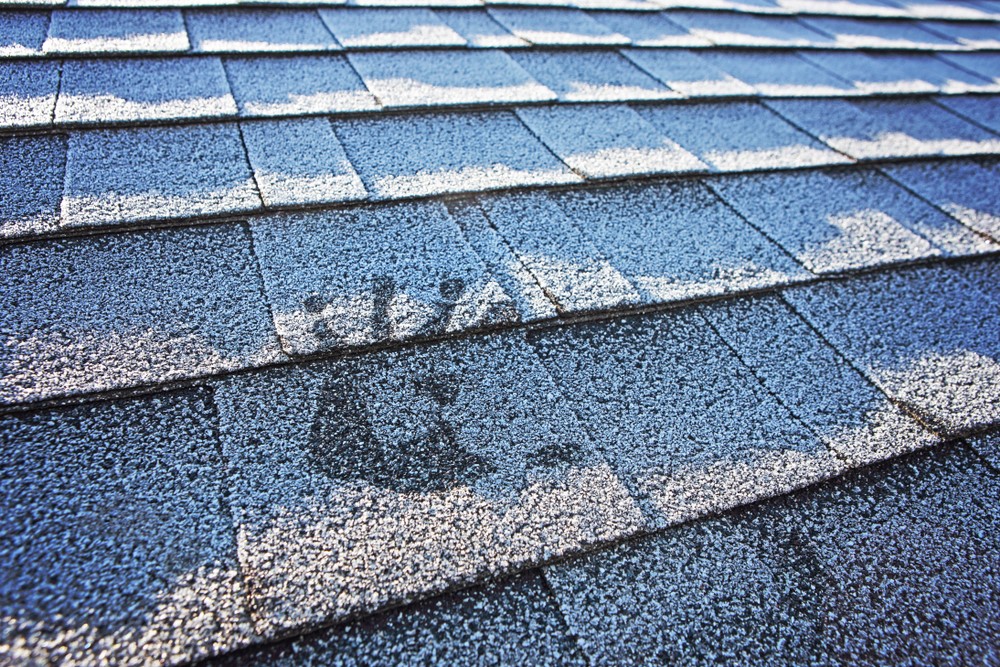
In some cases, chronic ice dams point to larger roofing system problems. Aging shingles, damaged underlayment, or poor ventilation design may require more than minor adjustments.
A roof replacement can provide an opportunity to upgrade ventilation, improve attic airflow, and enhance insulation performance. Modern roofing systems are designed to work as a complete system rather than isolated components.
For homeowners in Central Indiana dealing with repeated ice dam issues, a comprehensive roof system evaluation can uncover long-term solutions.
Improve Roof Performance and Prevent Ice Dams in Central Indiana
Ice dams are not just a winter nuisance. They are a sign your attic system may not be functioning properly. Addressing roof ventilation in Indiana homes, strengthening insulation, and improving overall insulation and roof performance can protect your investment.
At Rees Restoration, we help homeowners across Central Indiana diagnose ventilation problems, prevent ice dams, and plan smart roof upgrades when needed.
Book a roof system evaluation to improve performance and prevent ice dams. Let our team help you create a healthier, more efficient roofing system that stands up to Indiana winters.
Tags
Subscribe to Rees Restoration's Blog



Comments