
Anatomy of a Roof
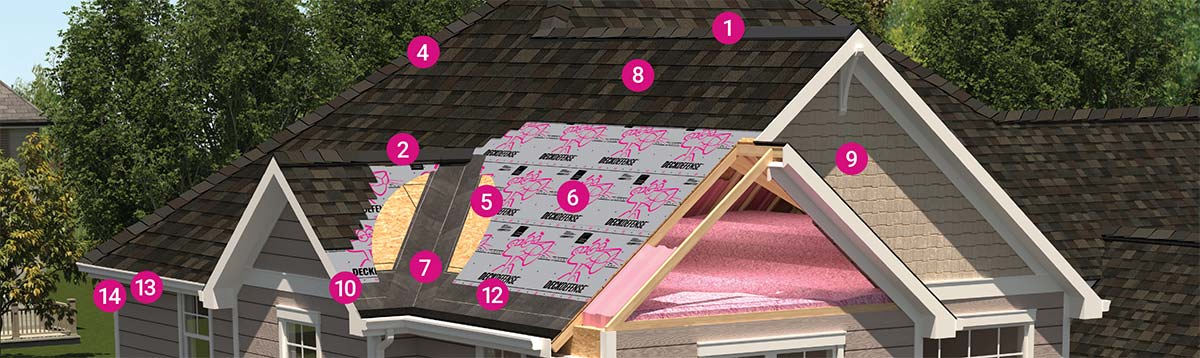
When it comes to exterior remodeling, the more you know about your home the better. Before investing in any roofing services, it's important to be informed of the components that make up the structure. From the sheathing to the edge cap, every part of your roof serves a crucial purpose to its overall performance and longevity. Let's go over the general anatomy of a home roof:
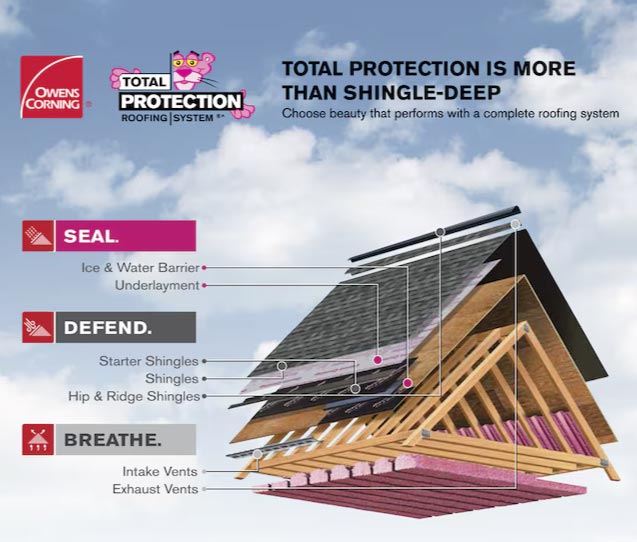
- Sheathing: The first component of a roof is the sheathing which is also referred to as the decking. Plywood or an alternative material is attached to the roof rafters or trusses to create a smooth surface to hold the rest of the roofing system and evenly distribute weight.
- Ice/Water Shield: The ice and water shield is a waterproof membrane that is applied directly to the roof sheathing. This component of the roofing system can stop any water from penetrating below the roof shingles and into the attic space.
- Underlayment: The roof underlayment is another layer that is added to the sheathing to prevent water damage that makes it past the shingle layer. This product is also crucial for attaching the shingles securely to the roofing system.
- Starter Shingles: Starter shingles are the first layer of shingles applied along the eaves of the roof. Starter shingles create a secure first row of shingles to help prevent rain and wind from getting underneath the roofing materials.
- Shingles: The roof shingles are the final, outermost layer of the roofing system and can come in various materials. From the edge of the roof on top of the starter shingles, the rest of the roof shingles are overlapped to create a watertight finish.
- Drip Edge: The drip edge is a metal strip installed along the eaves and rakes of the roof to protect underlying wood from water damage.
Roofing Material Options
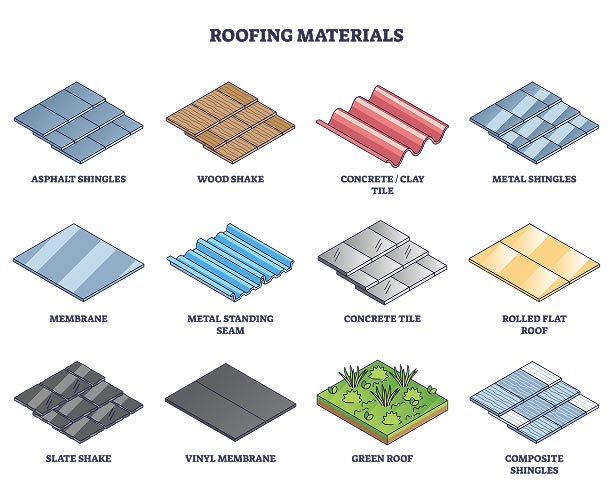
One of the most important things you can do as a homeowner is select the proper roofing material for your home. Based on your individual wants and needs, the right product will vary dramatically from one property owner to the next. Each material offers different pros and cons for weather resistance, lifespan, durability, maintenance, and appearance. Here are some of the most popular rooftop materials for Central Indiana roof replacements:
- Asphalt: Asphalt roofing shingles are one of the most commonly used rooftop materials in the industry with an affordable price tag and versatility in design.
- Fake Slate: Fake slate roofing shingles are a synthetic material that's designed to look like slate tile. This is a significantly more affordable way to achieve the charm and beauty of slate tile without the weight and cost.
- Metal: Metal rooftops can be made from various materials including tin, steel, aluminum, copper, and zinc. They're available in designs like standing metal seams, tiles, shingles, and panels.
- Tile: Tile roofing systems are available in various materials including clay, concrete, and synthetic options. They boast a long lifespan but often weigh and cost more than other roofing materials.
- Cedar: Cedar shingles are a type of wood rooftop that is renowned for its beautiful and traditional appearance. The drawback to this material is that it requires upkeep to prevent decay and only lasts 20-30 years.
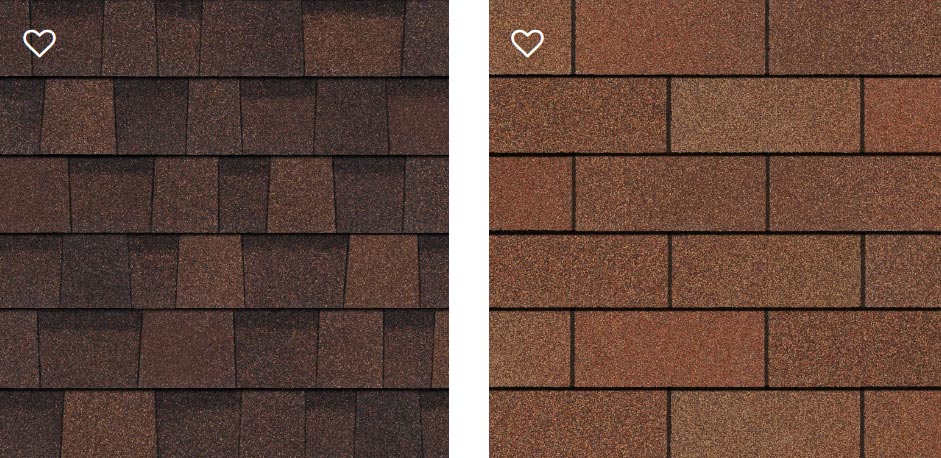
Owens Corning Asphalt Shingles
Owens Corning asphalt roofing systems are a top choice for homeowners looking to maximize their home's curb appeal and resale value. They're available as double-layer shingles which feature two layers of asphalt, resulting in a thicker profile and more textured appearance than single-layer. Triple-layer shingles are three layers of asphalt that offer more durability and weather resistance. Quadruple-layer shingles have four layers of asphalt which offer a high level of resilience and are less commonly chosen because they're expensive and offer a high-end appearance.
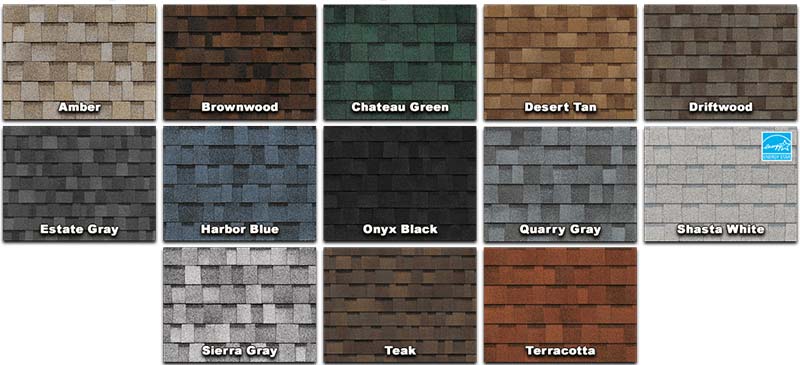
Owens Corning shingles are also offered in a variety of color palettes including browns, greens, blues, purples, blacks, and reds. Each color can enhance a home from modern to traditional to historic exterior design styles. The color of your roofing system can also play a role in its appearance over time as solid-color shingles show dirt and damage easier than blended colors. If you have an idea of what shingle layers and colors you want, our Central Indiana roofing company can help with the design.
Get Free QuoteChoosing Your Shingle Color
Gutters, Downspouts, and Drains
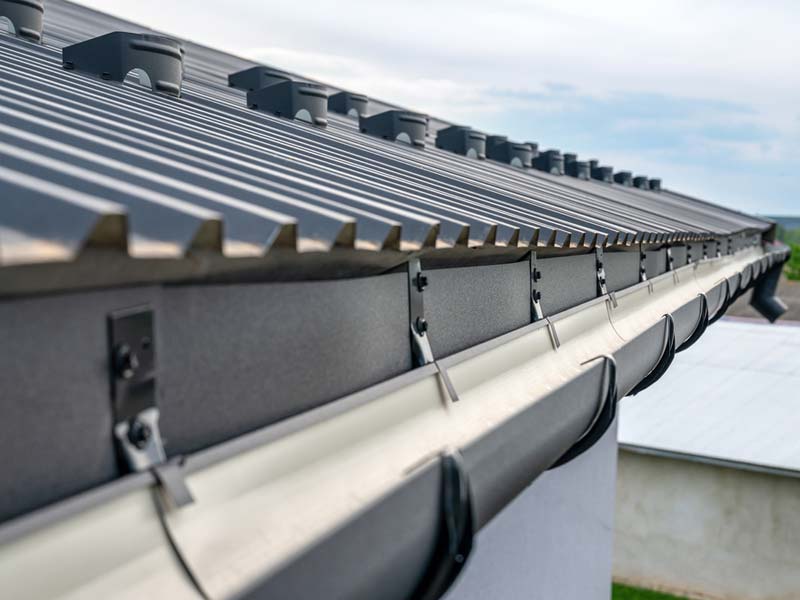
Gutters, drains, and downspouts are crucial components of a home's roofing system to prevent water damage over the years. Gutters are channels installed along the roofline to collect rainwater and divert it away from sensitive areas of your property including the foundation/basement, landscaping, and decking. They come in various materials including PVC, aluminum, galvanized steel, and copper as well as different designs including K-style, half-round, and box shape. Downspouts are connected to the gutters to direct the water to a single location along your property to allow water to be collected or seep into the ground where it's safe.
Drains are a different component of a stormwater runoff design that can be installed as roof drains on flat parts of your roof, surface drains for parking areas, and french drains around the basement. Each drain has a separate purpose in the flow of water away from your property, ensuring a dry and rot-free home for years to come. Investing in gutters, downspouts, and drains can save you from the headache of excess water in the likely event of a strong rainstorm.
Get Free Quote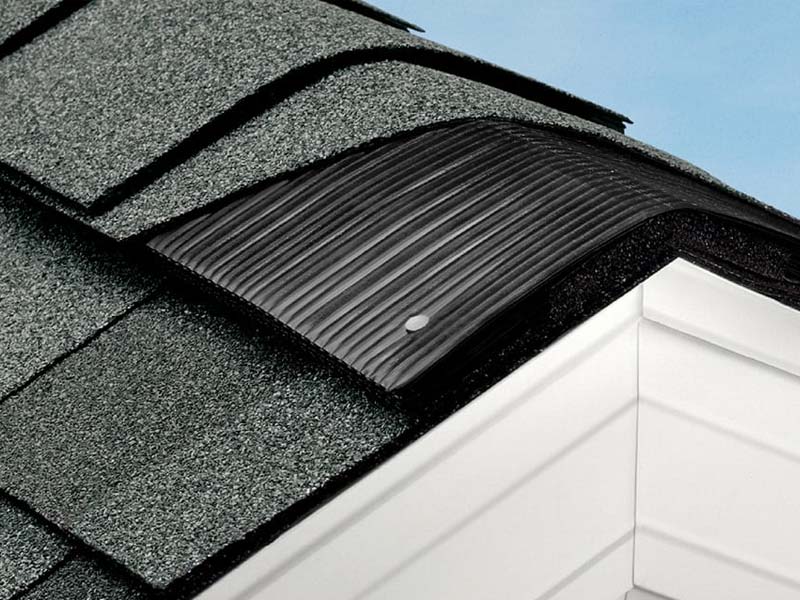
The Importance of Roof Vents
Roof vents are extremely important to the health of your roof, attic, and indoor air quality. When roofs and attics aren't properly vented, they can allow condensation to build up, resulting in mold, mildew, and water damage as well as destructive ice dams in the winter. A great roof design should feature the proper roof vents for air intake and exhaust. A well-rounded ventilation system can include ridge vents, soffit vents, gable vents, and electronic vents.
Ridge vents are located along the ridge of the roofing system which allows hot air and water evaporation to flow out of the attic space. Soffit vents are installed in the soffits which are located on the underside of the roof overhang to allow fresh air to enter the attic space. Gable vents are located underneath the gable of a roof, more easily understood as the triangle-shaped portion of the wall under the point of the roof. Electronically powered vents are wired into your home and can be turned on and off to accommodate more intense seasons of humidity.
When working with your roofing contractor, it's important to explain any issues with airflow that you've experienced in your home previously. They can recommend an optimal roof ventilation design to keep your home in great condition over the years. Roof ventilation not only affects the longevity of your roofing system but also the quality of air that you and your family breathe every day.
Get Free Quote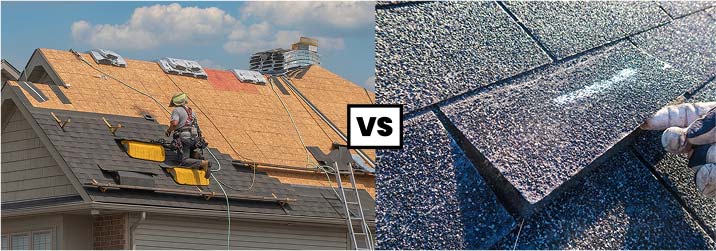
Roof Replacement vs. Roof Repair
As a homeowner, one of the hardest things is deciding between a complete roof replacement and roof repairs. While each has its place, it's important to not only take the advice of a professional but also make a decision based on your needs and budget as a homeowner. Roof repairs are typically preferred for minor damage to younger roofs aged between 1 and 15 years. On the contrary, a roof replacement should be considered for extensive damage or if your roof's age has exceeded 20+ years for asphalt roofing systems.
On average, a roof replacement can cost significantly more than roof repairs, but the result is something that will last much longer and enable you to sell your home for more. When comparing roof replacements to repairs, there are many factors to take into consideration in addition to the overall cost. A roof replacement is a more intense process that requires you to schedule a roofing contractor in Central Indiana months ahead of time while repairs can be fit in in as little as a few weeks. No matter which you are seeking, it's always a great idea to schedule a roof inspection with your preferred roofer before committing to any service.
Signs That It's Time to Replace Your Roof
Roof Damage Warning Signs
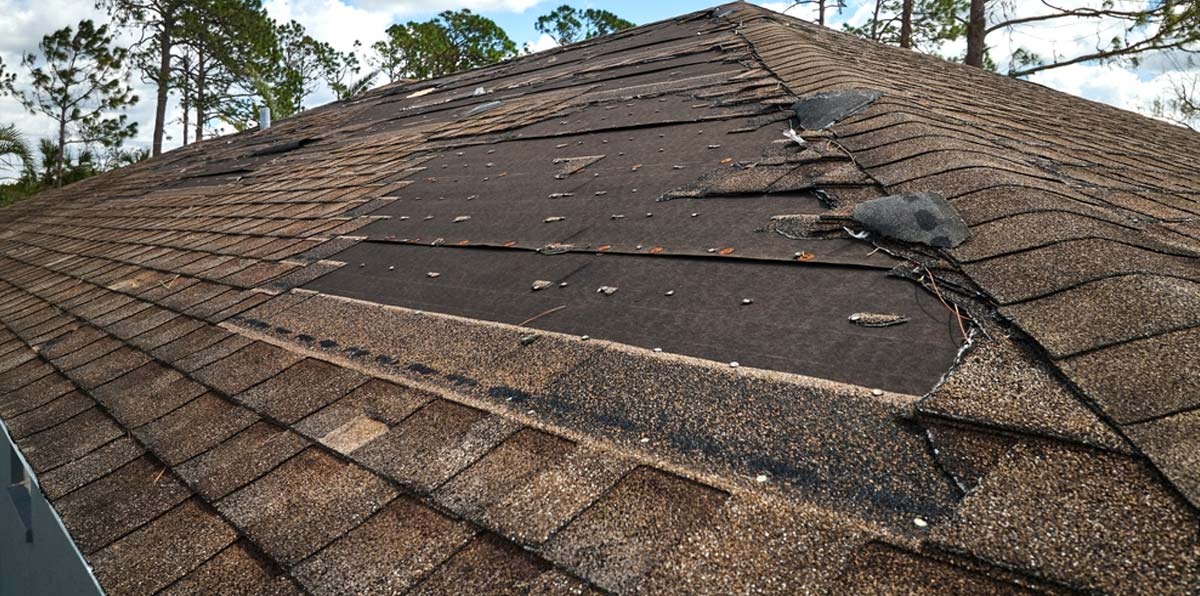
Storm Damage
Being able to identify early warning signs of roof damage can help you save time and money in the long run. As a homeowner, it's important to be able to spot critical signs of damage including the following:
- Ice Dams: Ice dams are a key indicator that hot air is accumulating in your attic space, melting snow on the roof, and causing the buildup of ice chunks. These ice dams not only indicate that your roof needs more ventilation, but they can also break off and pose a threat to gutters, siding, windows, and life.
- Storm Damage: Extreme storm damage is a key indicator that you may need a new roof. This can include broken or missing shingles, ripped flashing, and fallen tree damage. No matter how small the damage may seem, it's important to seek a roof inspection.
- Poor Insulation: Poor attic insulation can lead to a number of issues such as ice dams, condensation build-up, and mold growth. Each issue poses a threat to the integrity of your home which can cause irreversible damage to the structure if not handled properly.
- Water Leaks: Water streaks along the walls or pools of water in the attic indicate a serious water penetration issue. Even with the help of a professional, it can be extremely difficult to find the source of a water leak because water can travel far distances before becoming noticed.
By being able to identify these warning signs, you'll be better off as a proactive homeowner. Don't let issues like those stated above get too out of control and cause detrimental, irreversible damage to your home's structure or indoor air quality. The professionals from Rees are happy to schedule an inspection if you notice any of these signs.
Roof Maintenance & Inspections
Roof maintenance and inspections are critical practices to ensure the health and longevity of your roofing system as well as your entire home. These services are performed by a professional and can uncover damage before it becomes a larger issue. Important routine maintenance can involve the cleaning of gutters and downspouts twice a year, cleaning of roof shingles annually or after storms, and cleaning of roof/attic vents to ensure proper ventilation. Roof inspections can be conducted by yourself on a twice-a-year basis, by a professional every few years, before purchasing a home, or after a severe weather event.
These tips for roof maintenance and inspections can mean the difference between catching early warning signs of damage before irreversible issues like water damage, decay, and mold growth. A professional roof inspection can uncover even the smallest issues that would otherwise go unnoticed. If you feel like your roof may have become compromised after a wind or hail storm, contact a professional roofer right away to schedule an inspection.
Warranty Coverage Information
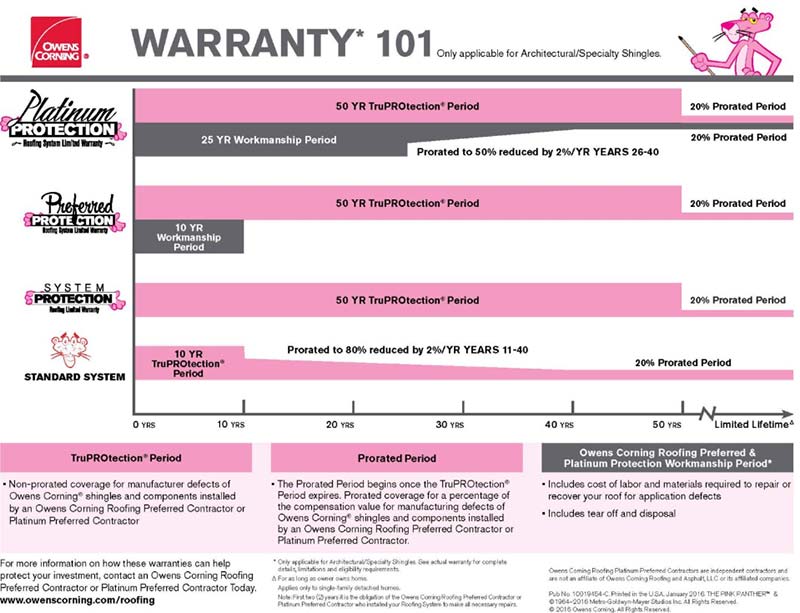
At Rees, we work hard to get our valued clients the best prices on quality roofing products like Owens Corning with impressive warranty coverage. There are many different types of warranties to search for when investing in a roof. Warranties can play into the overall cost of the roofing system by offering coverage on everything from products to labor, saving you money on damage that is out of your control.
The most common types of roofing warranties are manufacturer's warranties, labor warranties, and transferrable warranties. Manufacturer's warranties cover defects in the roofing material for a specific amount of time, typically ranging from 10 to 50 years. Labor warranties cover defects related to the installation of the material and are provided by the roofing contractor who performs the services. Transferrable warranties offer a huge advantage when aiming at selling your home because they can be transferred to the next homeowner.
It's important to research what warranties your roofing company offers on what products to stay informed on all your choices. Manufacturer and labor warranties are crucial to your peace of mind as a homeowner because you can get proper coverage for unnecessary premature damage.

What Influences a Roof Cost
The costs associated with roof replacements and repairs can vary significantly based on many factors. As a homeowner, it's important to understand the difference between getting ripped off and getting a great deal. One of the most effective ways to receive a more accurate roof estimate is to schedule a roof inspection so your roofing company knows exactly what they're up against.
When requesting roof replacement estimates, it's always a good idea to get a complete breakdown of costs to ensure you don't pay for services you don't need. Typically, the cost of a roof should be based on a square or a 100-square-foot area in addition to labor. Let's go over some of the most common factors that influence roof costs:
Roof Material/Type: One of the most influential expenses associated with a roof replacement is the cost of materials. This can change dramatically based on your preferences for style, durability, and performance. On average, asphalt roofing is the most affordable followed by metal, cedar, and specialty tile.
Roof Size/Complexity: Another important factor in roof cost is the square footage and complexity of your roofing system. A less expensive roof will have minimal square footage with a single roof peak while a more expensive roof can have thousands of square feet to cover and a dynamic roof design featuring many steep pitches.
Labor Costs: Labor has to be calculated into the cost of a roof replacement and can vary depending on the difficulty of the roof removal and installation. Higher labor costs are typically synonymous with old, worn-down roofing systems that have been patched multiple times and require more intensive labor to remove.
Added Features: Added roof features can include elements like roof ventilation, gutter systems, and skylights. These features can increase the cost of a roof replacement.
Disposal Costs: Disposing of the existing roofing material can vary depending on the amount of material that has to be recycled or brought to a landfill.
Benefits & Features of Owens Corning
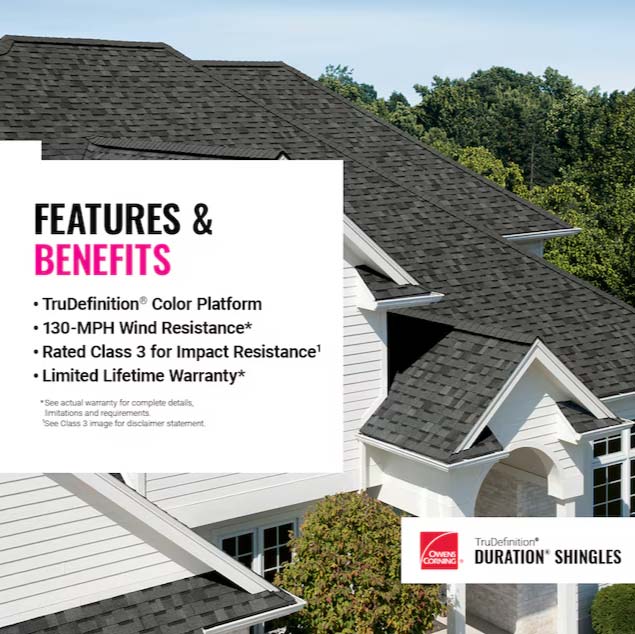
At Rees Restoration, we offer the highest quality products on the market to ensure you receive top-tier results. Our team works closely with Owens Corning roofing to provide an array of stunning, durable, and affordable roofing options. Owens Corning roofing products feature many advantages that make it a leading choice for savvy homeowners. Our team can work with you to select the perfect roofing material for your home goals.
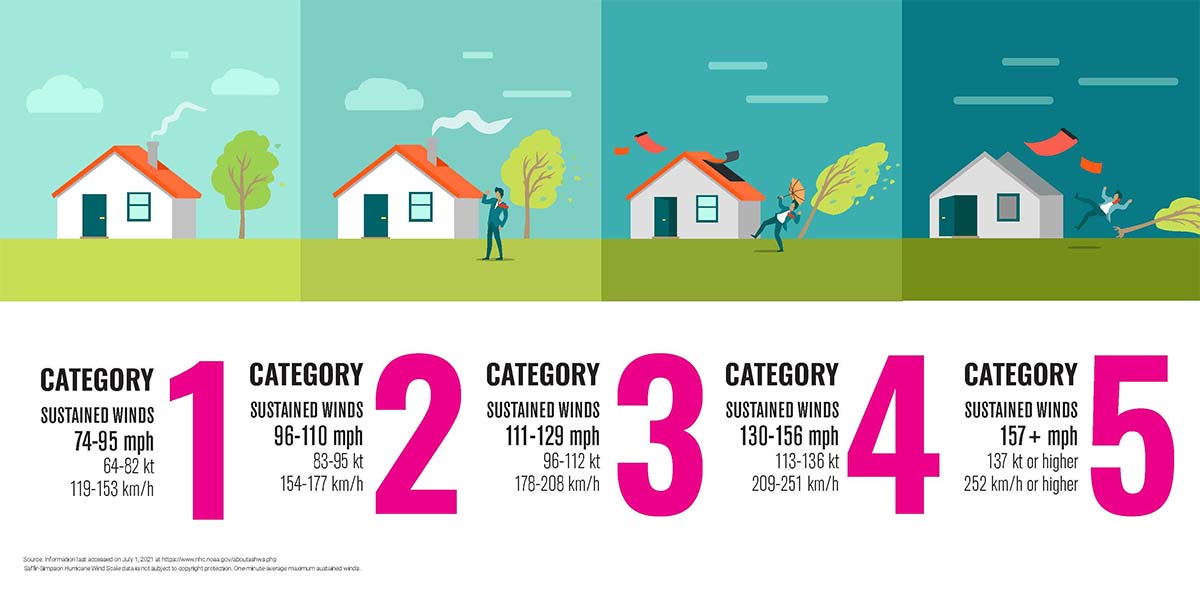
Owens Corning offers shingles in various colors and patterns based on your desired aesthetic outcome. They also offer products with impressive wind resistance for 60 to 130mph winds as well as class 3 and 4 impact resistance. No matter what budget you have for your roof installation, Owens Corning offers economy, mid-range, and top-of-the-line products to choose from. Upgrade your roof to meet wildland-urban Class A fire codes with their Titanium FR Self-Adhered Underlayment for ultimate fire protection.
Take your roofing system to the next level with additional features including Patented SureNail Technology which features a fabric strip along the nail line for a more secure finish. They also have Premium Color Blends and TruDefinition Color which offer a brilliant color palette for your finished exterior. StreakGuard Protection features copper-infused asphalt which inhibits the growth of damaging algae. Lastly, choose a Polymer Modified Shingle for a flexible, rubberized effect which allows the shingles to flex, resisting breakage in extreme weather conditions.
Pros and Cons of Roof Replacements by Seasons
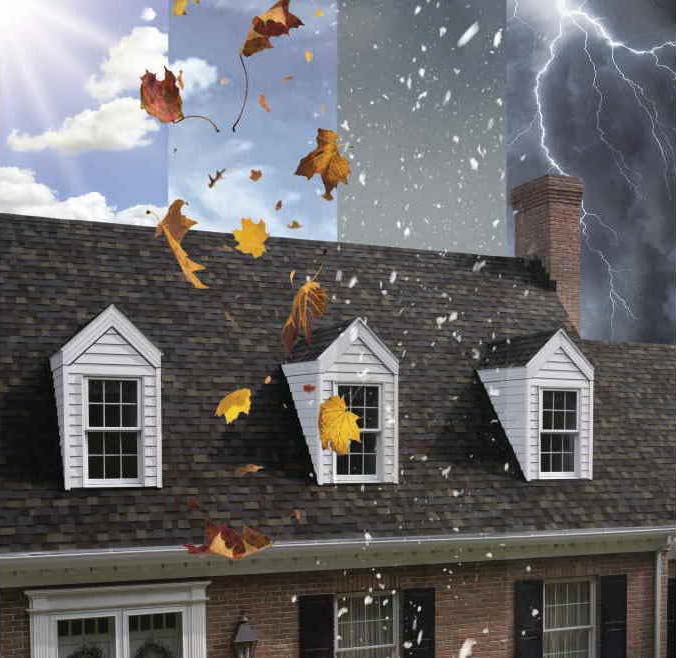
The benefits and pitfalls of roof replacements can vary drastically by season. In spring, moderate temperatures and lower humidity create the optimal weather for the application of materials and adhesives. This advantage is combated by the variable weather that can shift at any moment, stranding the project until the weather improves. Arguably the best time to have your roof replaced is during the summer when the weather is most consistent but your roofing company may be fully booked without availability.
During the fall, roofing contractors are more available and can often accommodate last-minute requests. However, shorter daylight hours and unexpected snow can push the project into the winter. Lastly, winter roofing offers a more flexible schedule however, materials like asphalt become more brittle in the cold, and application can be an issue. No matter what time of year you're considering a roof replacement, contact Rees right away to get on the schedule.
Request a Free Central Indiana Roof Installation Quote
At Rees Restoration, we have over a decade of roofing experience, certified installers, and strong warranty coverage to back your roof investment. Our team is standing by to answer all your important roofing questions so you can be informed every step of the way. We work hard to get to know every one of our Central Indiana homeowners before recommending products and services that best suit their needs. Contact us today to get started with a free roofing estimate near Indianapolis!
Get Free Quote